Local Historic Nominations
Clio Consulting, LLC can assist with the protection of landmarks and historic districts through local preservation ordinances.
Communities with a local historic preservation ordinance have an established process for local historic landmark or district designation, usually involving an application and one or more public hearings. Local designation generally has the most “teeth” in terms of regulating changes to building materials and design, usually by requiring review and approval of plans by a local board or commission.

FRICK PARK
Preservation Pittsburgh
2018
Clio Consulting’s research for the nomination of Frick Park went beyond our basic understanding of it as a philanthropic bequest to the City of Pittsburgh to detail how it grew and developed according to a unique vision of an oasis for immersion in, and study of, nature in the city. The last of the major parks to join the Pittsburgh system by 30 years, Frick Park was planned, designed, and developed according to different goals and influences than Pittsburgh’s earlier Victorian and Progressive-era parks. By 1942, additional land purchases by the City had increased the park’s original area threefold, and its stewards were challenged to unify many disparate tracts into a coherent public landscape.
JONES & LAUGHLIN BUILDING
Preservation Pittsburgh
2020
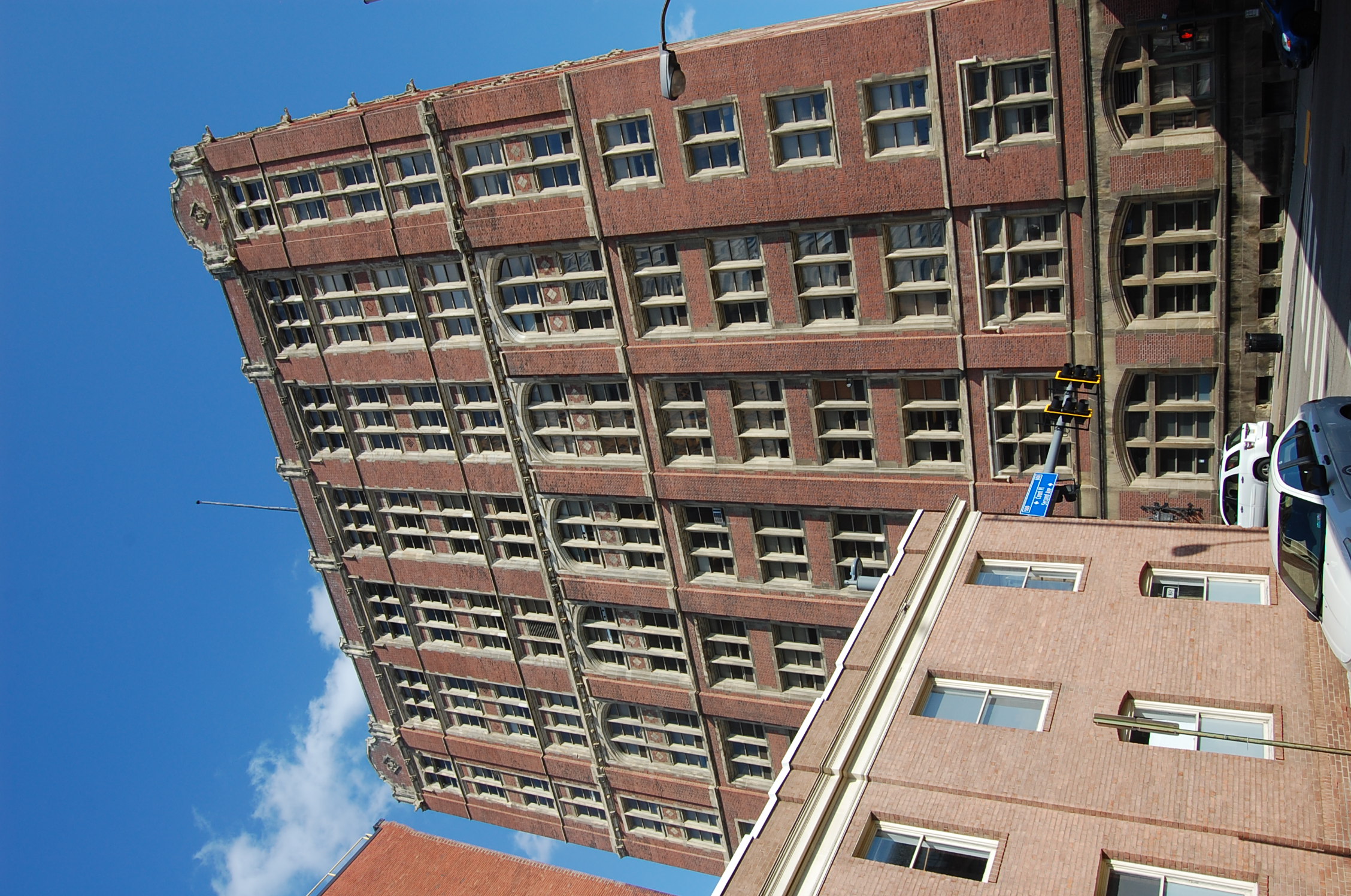
After working in this building at 200 Ross street for 8 years, it was an honor to prepare the nomination for its local historic designation as well as listing in the National Register of Historic Places. 200 Ross Street was constructed as the headquarters of the Jones & Laughlin Steel Company (later Corporation), one of the largest producers of steel in the United States during the first half of the 20th century, in 1907. Its ninth through 13th floors were added ten years later. The firm of McClure & Spahr designed both building campaigns in the Jacobean Revival Style, an unusual choice for a high-rise office building. After J&L moved to a new, more modern building in 1952, the City of Pittsburgh purchased the building to house the staff of its then-new agencies, the Housing Authority and the Urban Redevelopment Authority, along with allied departments and nonprofit entities.
MELLON PARK
Preservation Pittsburgh
2021-2022
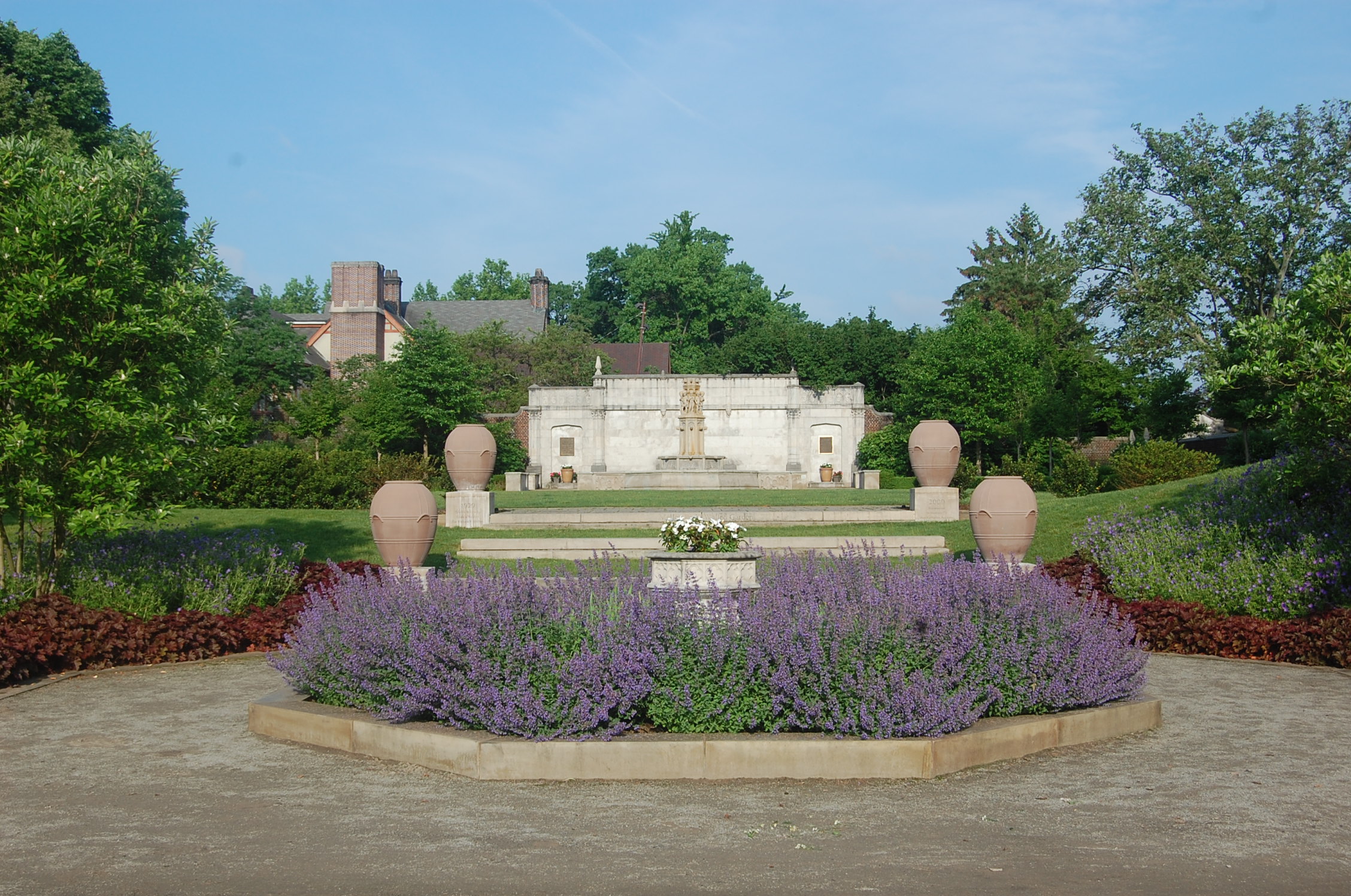
Clio Consulting researched and documented Mellon Park’s history and significance, resulting in its listing in the National Register as well as designation as a City of Pittsburgh Historic Site. Landscapes and gardens designed for the Mellons in the 1910s, ‘20s, and ‘30s by Alden & Harlow, Vitale and Geiffert, and Olmsted Brothers are examples of the best private landscape design money could buy in those years. Mellon Park’s combination of estate landscape design and municipal public park design conveys a uniquely Pittsburgh story in which influential private citizens augmented the services of city government to ensure a civic legacy attached to their name and family history. There is evidence that Richard King Mellon, in particular, saw Mellon Park as part of Pittsburgh’s post-World War II Renaissance.
RODEF SHALOM
Preservation Pittsburgh
2021
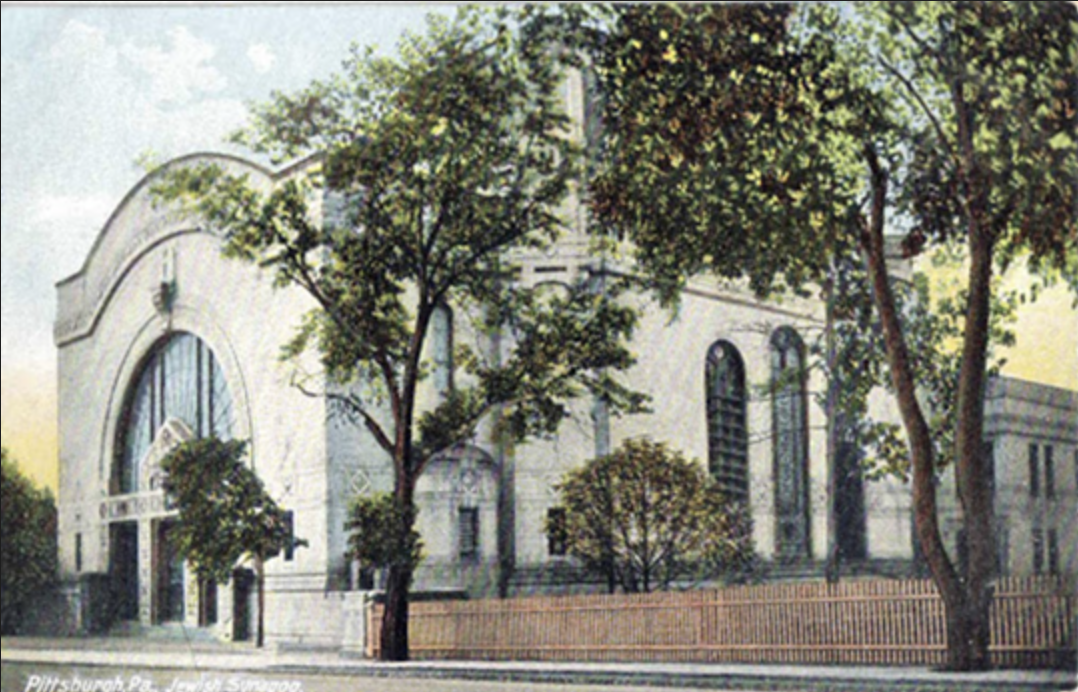
Clio Consulting worked together with Time & Place, LLC to prepare a nomination for City of Pittsburgh historic designation for Rodef Shalom, the synagogue of Pittsburgh’s oldest and most prominent Reform Jewish congregation. Founded in 1856, Rodef Shalom hosted a national convention that led to the Pittsburgh Platform, an enduring articulation of the definition of Reform Judaism, in 1885. In 1905, Rodef Shalom brought wealth and architectural aspiration to the site it chose for its new synagogue on Fifth Avenue between Oakland and Shadyside. Over the course of three historic building campaigns, Rodef Shalom is notable as the work of several major architects at work in Pittsburgh during the first half of the twentieth century: Henry Hornbostel, Ingham & Boyd, Alexander Sharove, and Harry Lefkowitz.
SPRING HILL SCHOOL
Preservation Pittsburgh
2016
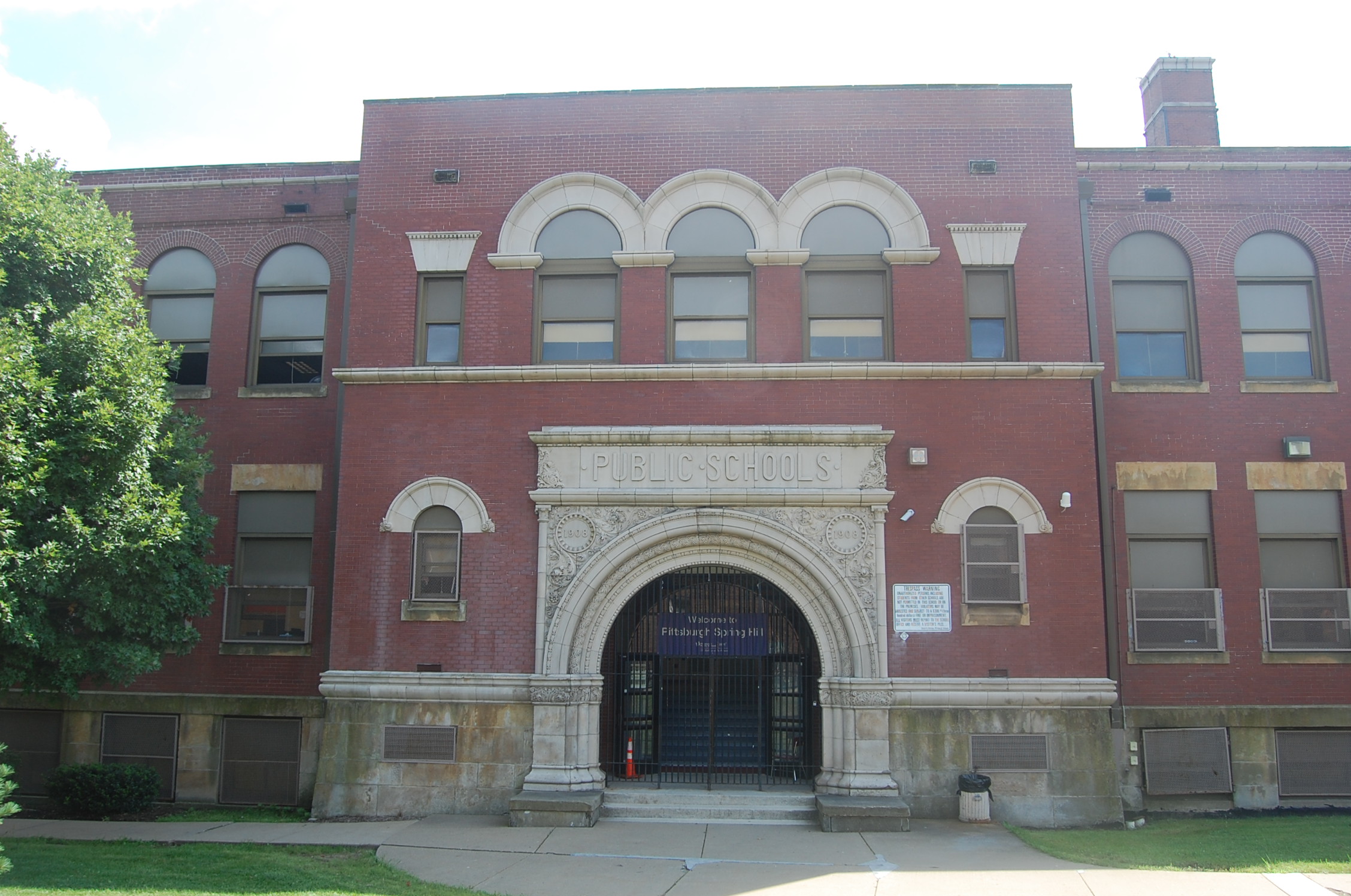
Clio Consulting researched and wrote the successful nomination for Spring Hill School to become designated as a City Historic Landmark. Built as a typical late Victorian school house for the Seventh Ward of Allegheny City in 1896, Spring Hill School received a large addition which doubled its size in 1908. In 1936, federal Public Works Administration funds allowed the City of Pittsburgh to undertake substantial renovations to modernize the school, bringing it to its present form. As such, Spring Hill School illustrates the progression of ideological and architectural approaches to urban education from the late nineteenth through the early twentieth centuries, a period which coincides with Pittsburgh’s peak of immigration, population gain, and industrial prominence.