National Register of Historic Places
Clio Consulting, LLC’s record of successful National Register nominations includes individual buildings, commercial and residential historic districts, and historic designed landscapes.
Established by the National Historic Preservation Act of 1966 and maintained by the Secretary of the Interior, the National Register of Historic Places is the nation’s official list of historic places worthy of preservation. Listing in the National Register is an honor and, frequently, a threshold requirement for access to preservation incentive programs, such as grants and the federal Historic Rehabilitation Tax Credit. The National Register is never complete. There are always new stories to tell.
More information from PA State Historic Preservation Office
More information from the National Park Service
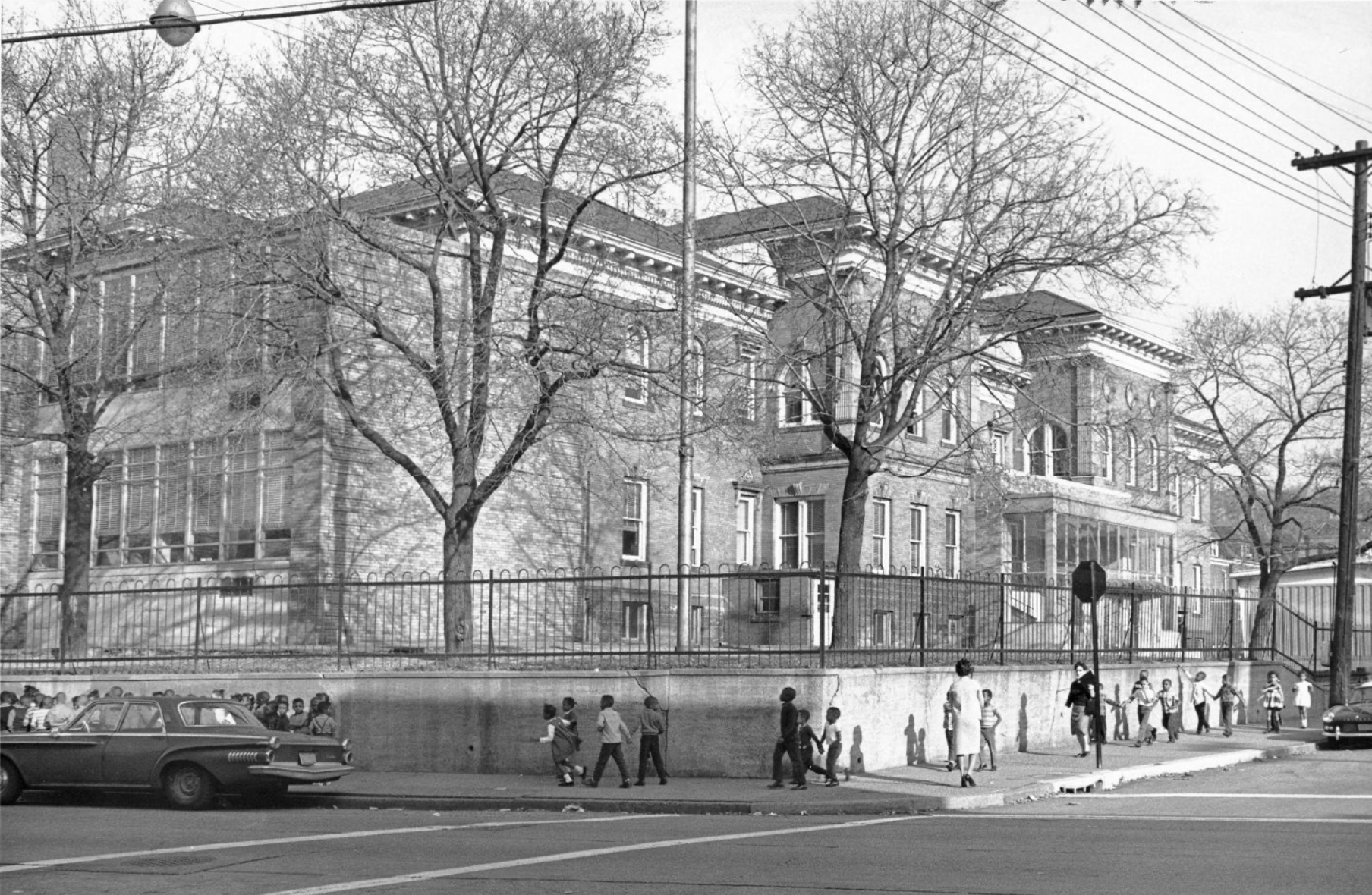
BELMAR SCHOOL
E Properties & Development
2022-present
Clio Consulting prepared an individual nomination for Belmar School’s listing in the National Register and is working with its owner and architects to complete a successful application for the school’s rehabilitation using the Historic Tax Credit. The building was not included in a nomination of 53 Pittsburgh public schools in 1986 due to the 1959 additions to the original 1900 building. Re-framing this decades later, Belmar School’s modern additions were an investment in the education of the children of Homewood in the post-World War II era of educational restructuring to meet the demands of a global economy and competition.
CENTRE AVENUE YMCA
ACTION-Housing, Pittsburgh, PA
2020-2021
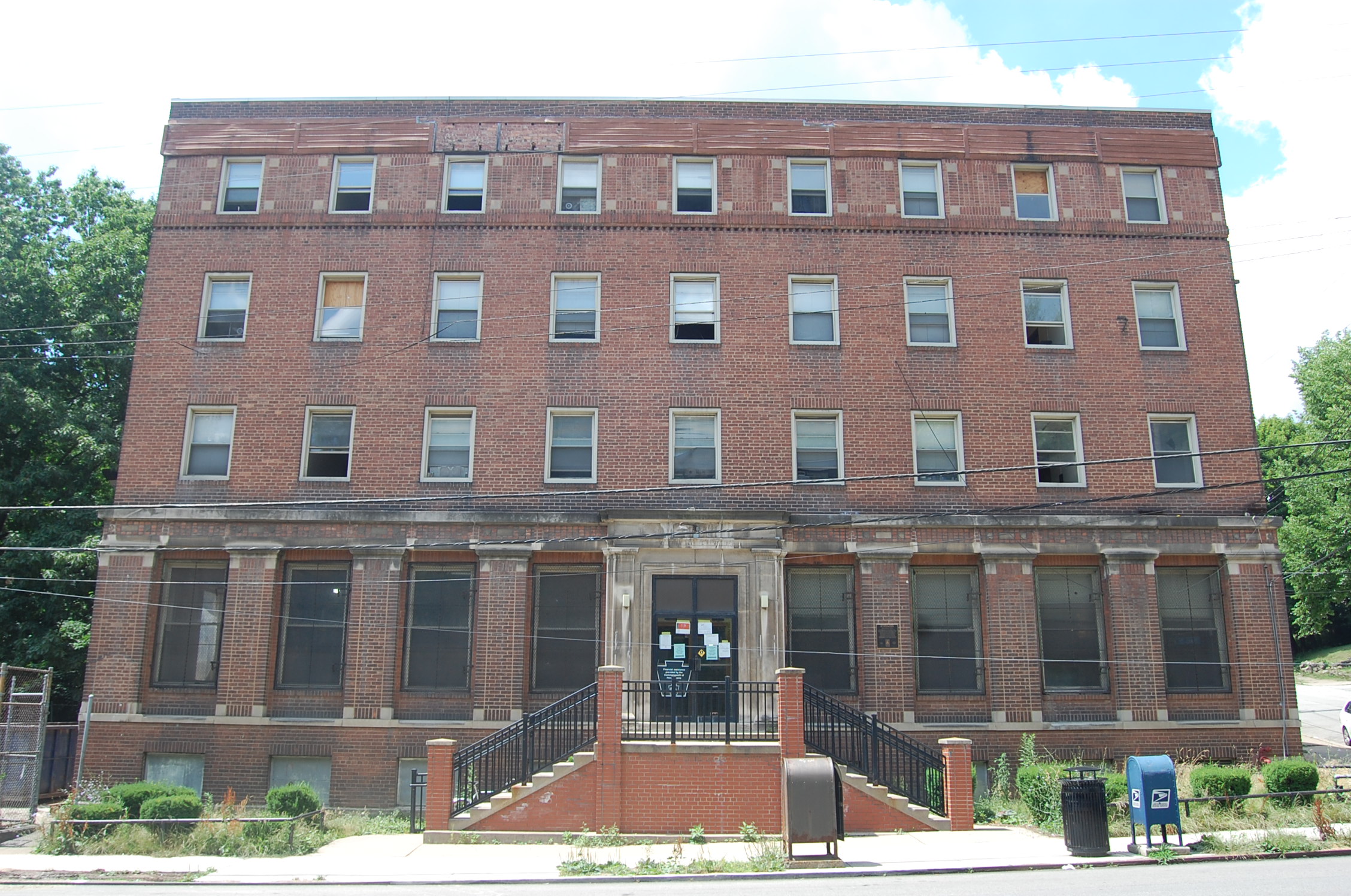
Clio Consulting’s National Register nomination of the Centre Avenue YMCA highlights the role of Black-run organizations in the Jim Crow era and led to an article in a special issue of the journal Pennsylvania History. The Centre Avenue YMCA was chief among the institutions established and led by Black Pittsburghers, for Black Pittsburghers in the first half of the 20th century. It shielded its members from the racism of white-controlled spaces, provided facilities and programs previously unavailable to Pittsburgh’s Black community, and nurtured leadership skills and and civil rights activism. One of 24 Black YMCAs built nationwide with challenge grants from philanthropist Julius Rosenwald, it is the only one still standing in PA.
CLAIRTON INN
Mon Valley Initiative
2017-2018
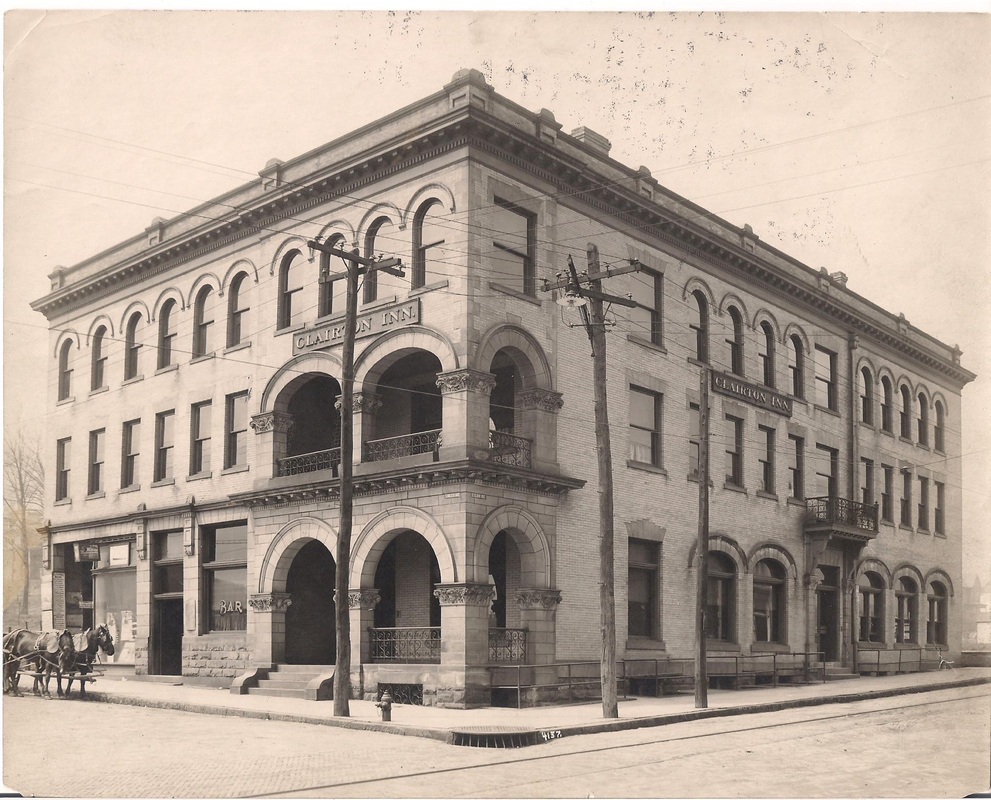
Clio Consulting’s nomination of the historic Clairton Inn resulted in the first National Register listing in the City of Clairton. One of the first buildings to be constructed in the town, the hotel conveyed a prosperous, elegant impression of Clairton to prospective residents and investors. Though underutilized and haphazardly renovated, this architectural gem retains a surprising amount of integrity and, together with an adjacent vacant former theater and new construction, now provides gracious apartment accommodations in the heart of downtown Clairton.
IBM BUILDING
Hullett Properties and Rugby Realty
2023-present
Clio Consulting prepared the nomination for listing this International Style office building in the National Register of Historic Places and is working with the owner on a Historic Tax Credit application for its redevelopment as multi-family housing. Now known as Four Allegheny Center, it was built in 1976 as a branch office building for the IBM Corporation, which then employed 800 people in Pittsburgh. Designed by the successor firm of Ludwig Mies van der Rohe, it exemplifies classic characteristics of the International Style, including a geometric volume, mass-produced materials, and a curtain wall facade with extensive horizontal bands of glazing. Its modernity served as a perfect expression of IBM’s high-tech corporate identity.

MAYER BUILDING
Performing Arts Collective Alliance, Erie, PA
2017-present
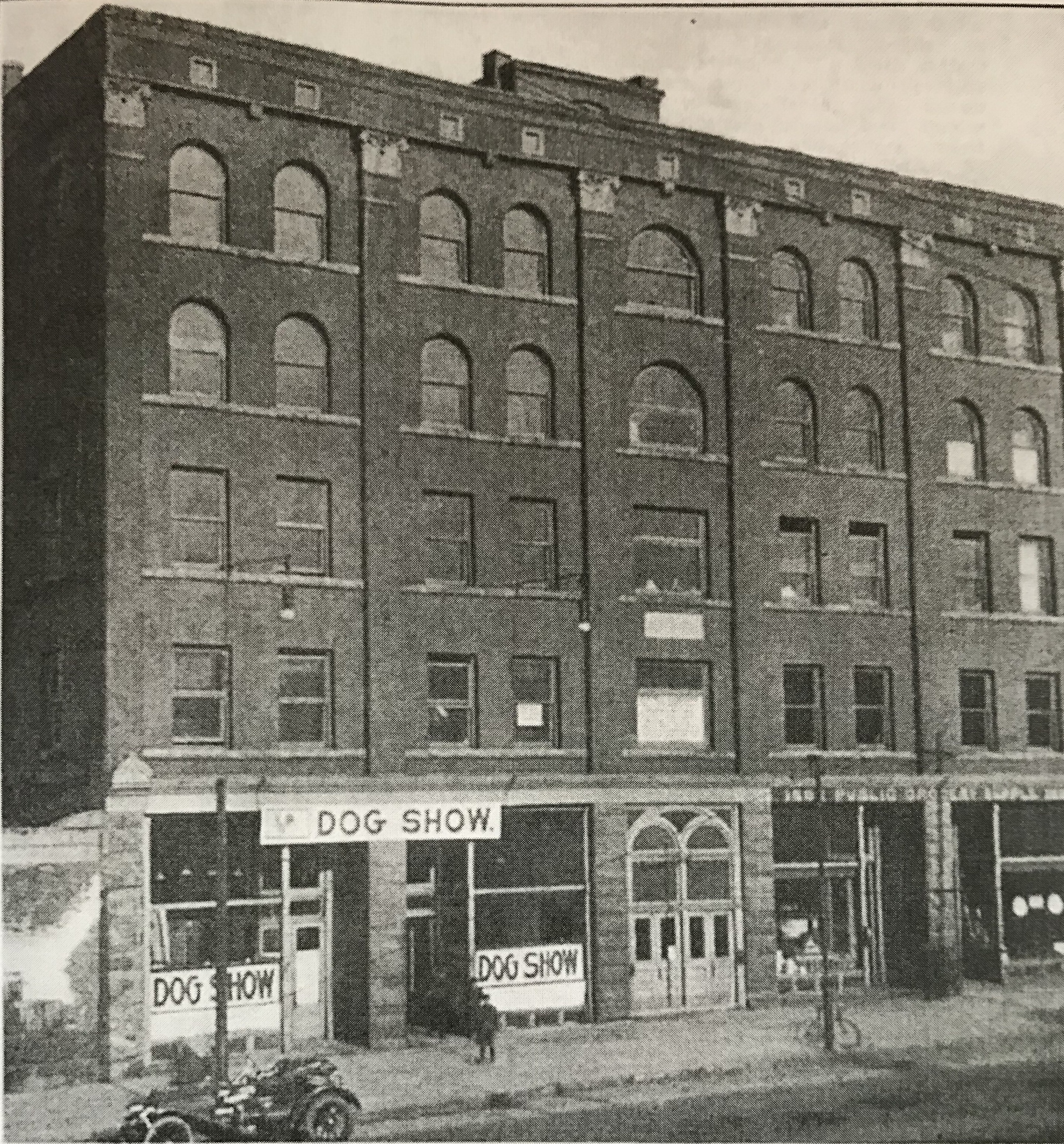
Clio Consulting assisted an Erie-based arts non-profit with National Register listing and adaptive re-use of its historic building as gallery, performance, and arts-oriented retail space. The Mayer Building was constructed in 1899 by the Mayer Brothers Construction Company as a headquarters for its business and served a number of commercial and manufacturing uses which participated in Erie’s flourishing local economy during the first half of the 20th century. Clio Consulting prepared the nomination for the Mayer Building’s listing in the National Register and initiated a Historic Tax Credit application on behalf of the owner.
FIRST UNITED PRESBYTERIAN CHURCH OF BRADDOCK
Mon Valley Initiative
2017-present
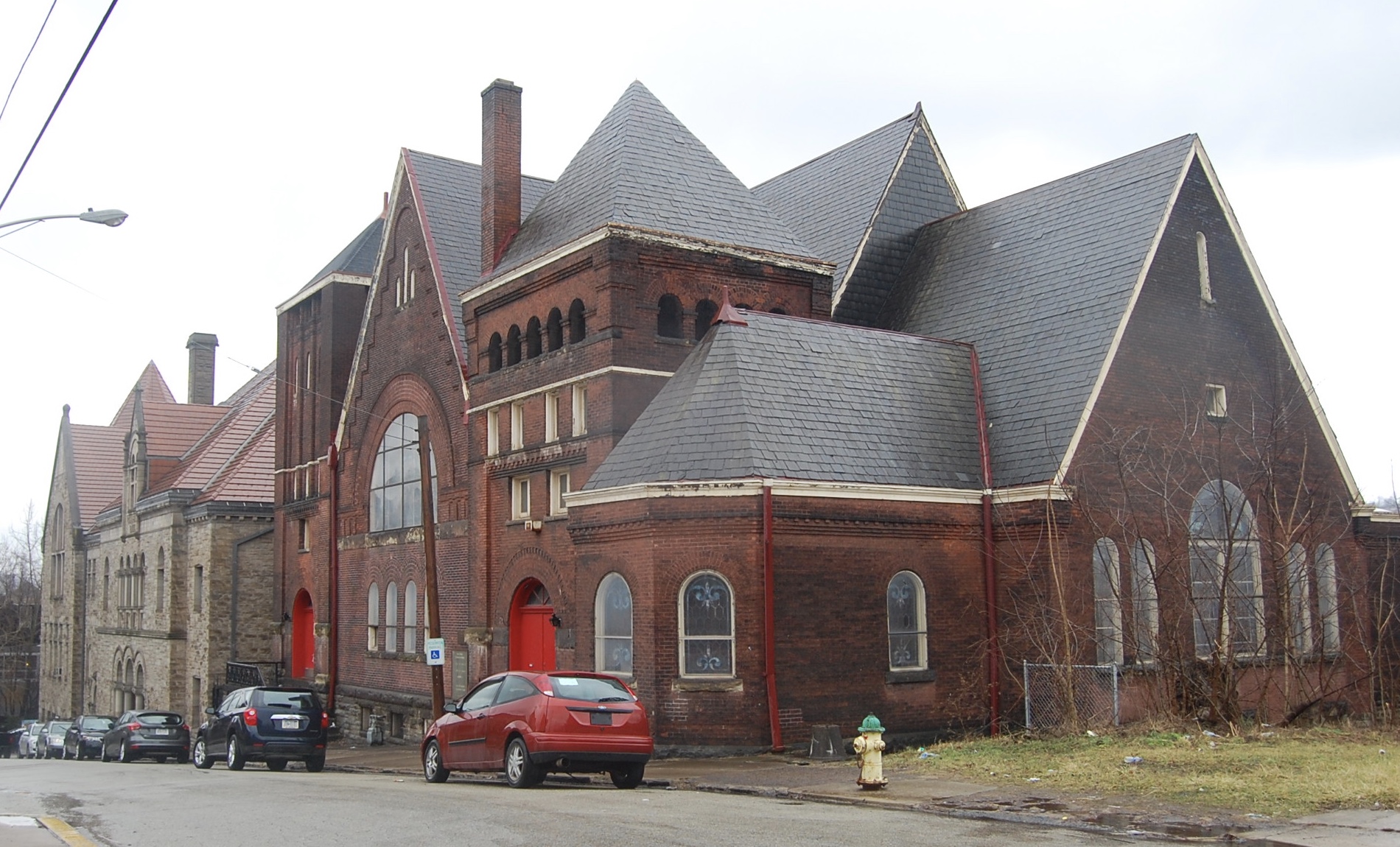
Clio Consulting prepared a National Register of Historic Places nomination for this Akron-plan church located next door to the magnificent Carnegie Library of Braddock, and is working with Mon Valley Initiative on a Historic Tax Credit application for the building’s sensitive rehabilitation for residential use. Challenges include adapting the sanctuary—including its original pipe organ, donated by Andrew Carnegie—as a living unit, and the theft of some of the building’s stained-glass windows.
HUNTER SAW & MACHINE COMPANY
Doug and Liza Cruze
2019
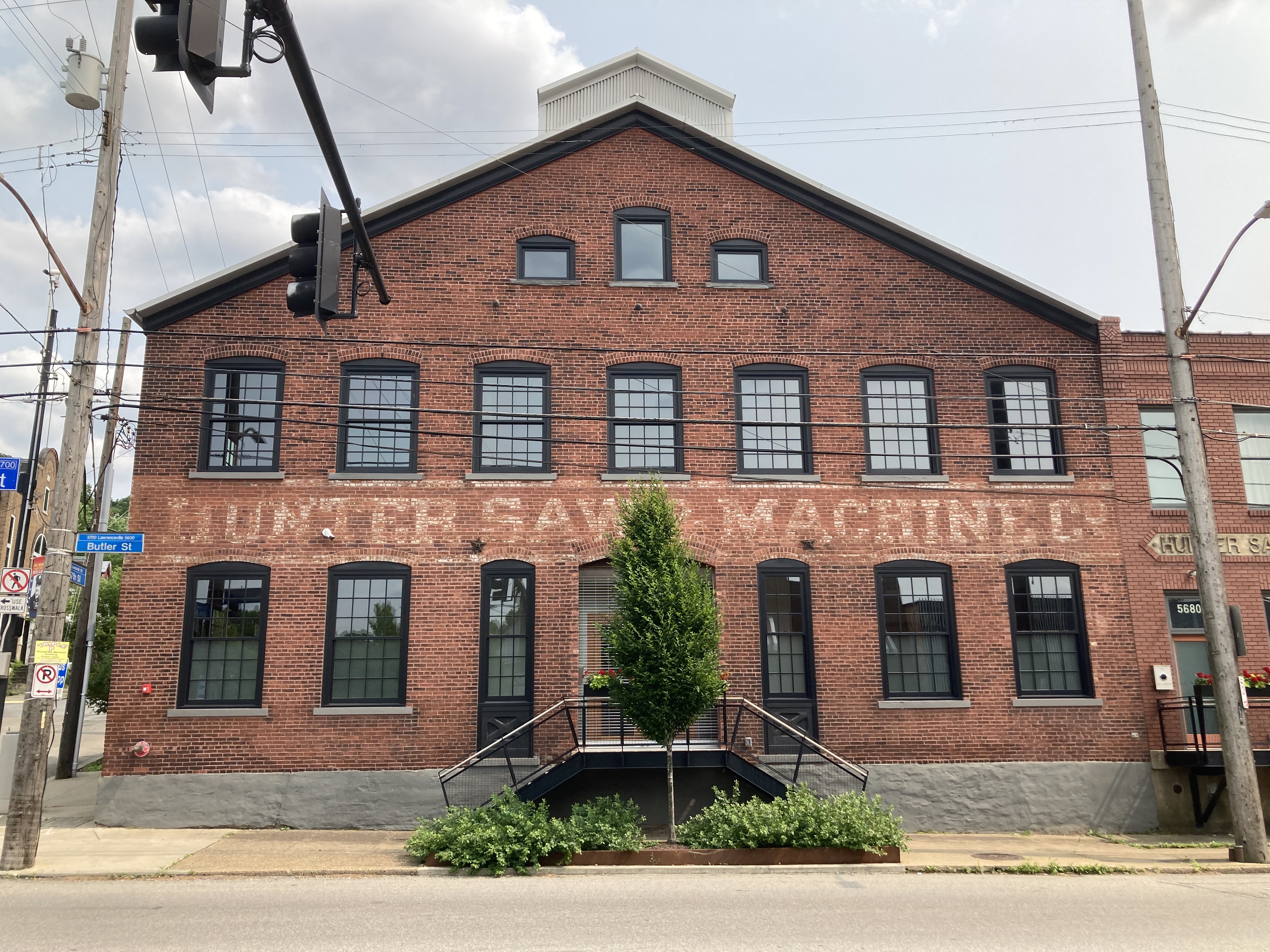
Clio Consulting secured listing in the National Register for the Hunter Saw & Machine Company while preparing a Historic Tax Credit application for its rehabilitation as commercial and residential space. The Hunter Saw & Machine Company retains an industrial aesthetic, including exposed brick walls and roof timbers, from when it produced specialized metal circular saws which made the work of Pittsburgh’s steel mills possible. The company also patented other tools, such as a saw tooth grinder, which contributed to the innovation and competitiveness of the steel industry in Lawrenceville, Pittsburgh, and the United States.
JONES & LAUGHLIN BUILDING
Preservation Pittsburgh
2020
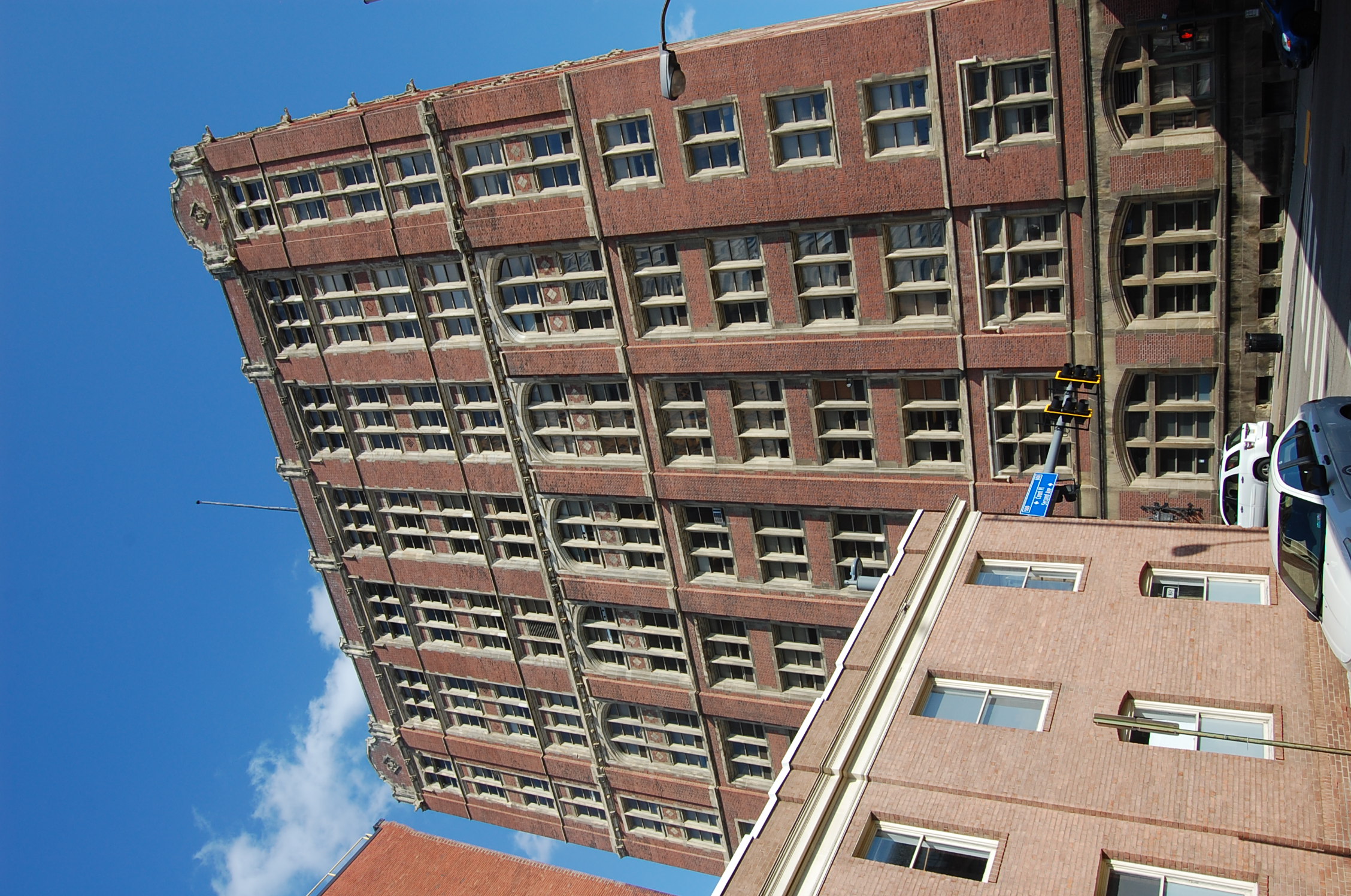
After working in this building at 200 Ross street for many years, it was an honor to prepare the nomination for its listing in the National Register of Historic Places. 200 Ross Street was constructed as the headquarters of the Jones & Laughlin Steel Company (later Corporation), one of the largest producers of steel in the United States during the first half of the 20th century, in 1907. Its ninth through 13th floors were added ten years later. The firm of MacClure & Spahr designed both building campaigns in the Jacobean Revival Style, an unusual choice for a high-rise office building. After J&L moved to a new, more modern building in 1952, the City of Pittsburgh purchased the building to house the staff of its recently-formed agencies, the Housing Authority and the Urban Redevelopment Authority, along with allied departments and nonprofit entities.
UNITED STEELWORKERS LOCAL #1211 UNION HALL
Him Looking, Inc.
2020
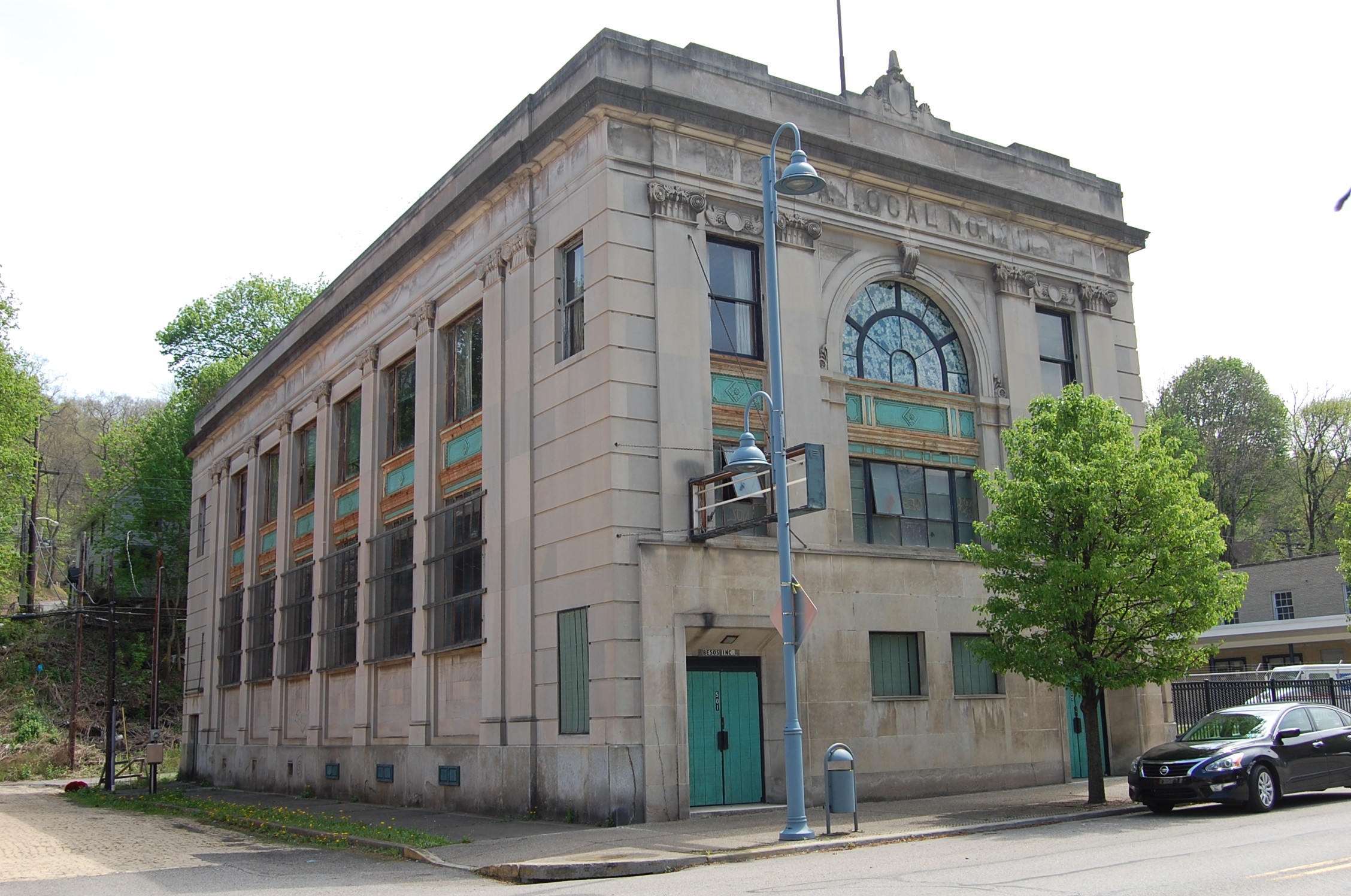
Clio Consulting obtained National Register listing for one of downtown Aliquippa’s most deeply significant buildings, a Classical Revival former bank which closed during the Depression, only to be revived as headquarters of the United Steelworkers Local #1211 Union Hall. The United Steelworkers Local #1211 is the successor to the Steel Workers Organizing Committee, which pursued its members’ right to unionize to the Supreme Court in 1937. In 1943, USA Local #1211’s purchase of this most distinguished building in downtown Aliquippa signified the union’s new legitimacy, growing might, and role in the transformation of life, work, and democracy in the town.
WILLIAM A. “WOOGIE” AND ADA HARRIS-NATIONAL OPERA HOUSE
Pittsburgh History & Landmarks Foundation
2022
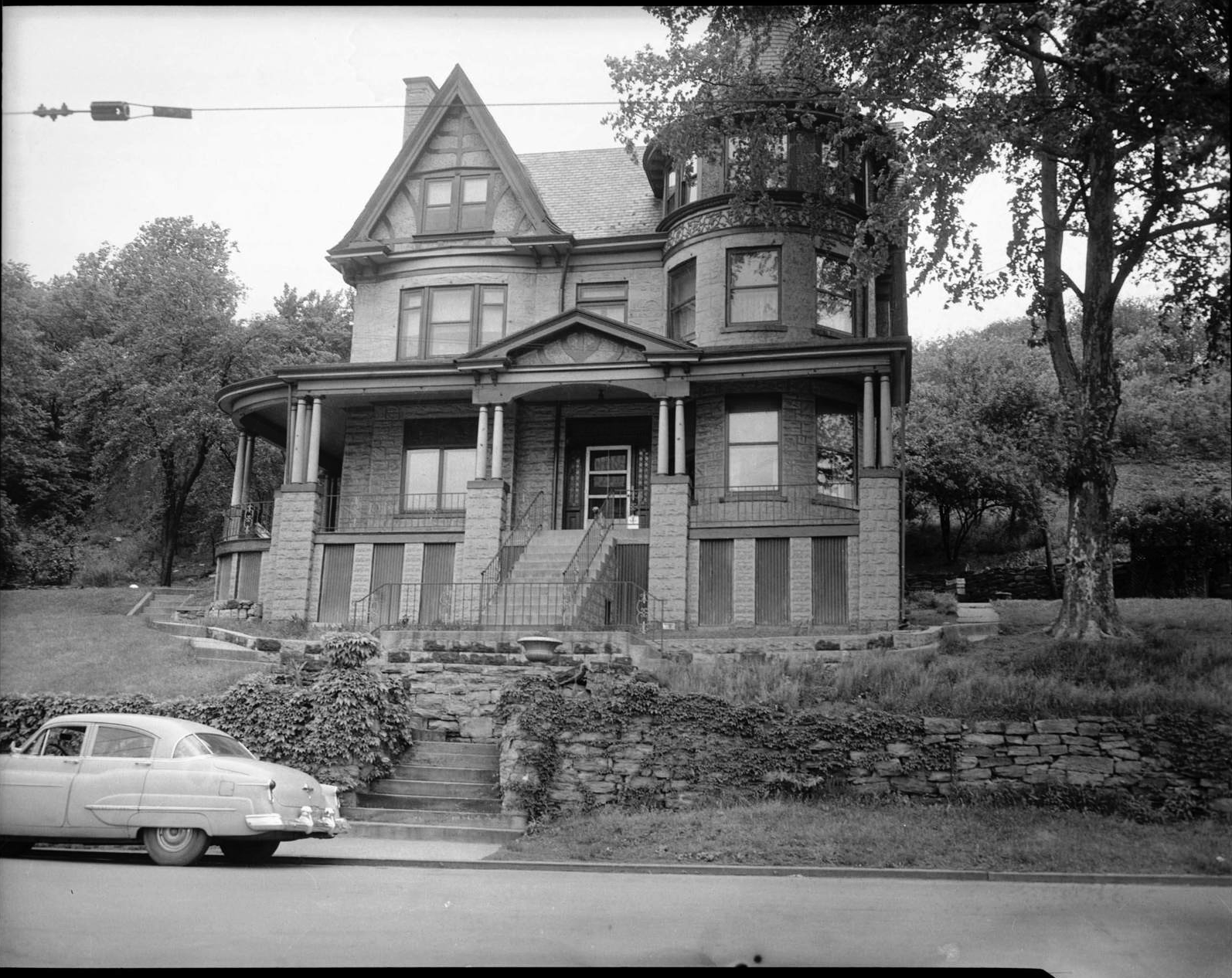
Clio Consulting prepared a nomination for this house in the Homewood neighborhood of Pittsburgh to be listed in the National Register of Historic Places as part of a National Park Service grant to research and recognize places of importance in civil rights history. From 1930-1967, the house was owned by William A. “Woogie” and Ada Harris, leaders in Pittsburgh’s Black community. For ten of those years, they rented the house to Mary Cardwell Dawson, who ran her music school on the premises. Cardwell Dawson was a conservatory-trained opera singer but was unable to forge a career as a performer due to her Black identity during the Jim Crow era. She founded the National Negro Opera Company in 1941 to provide professional opportunities to young Black singers denied roles in white-run companies.
CLAYTON-FRICK ART MUSEUM HISTORIC DISTRICT
The Frick Pittsburgh
2023-2025
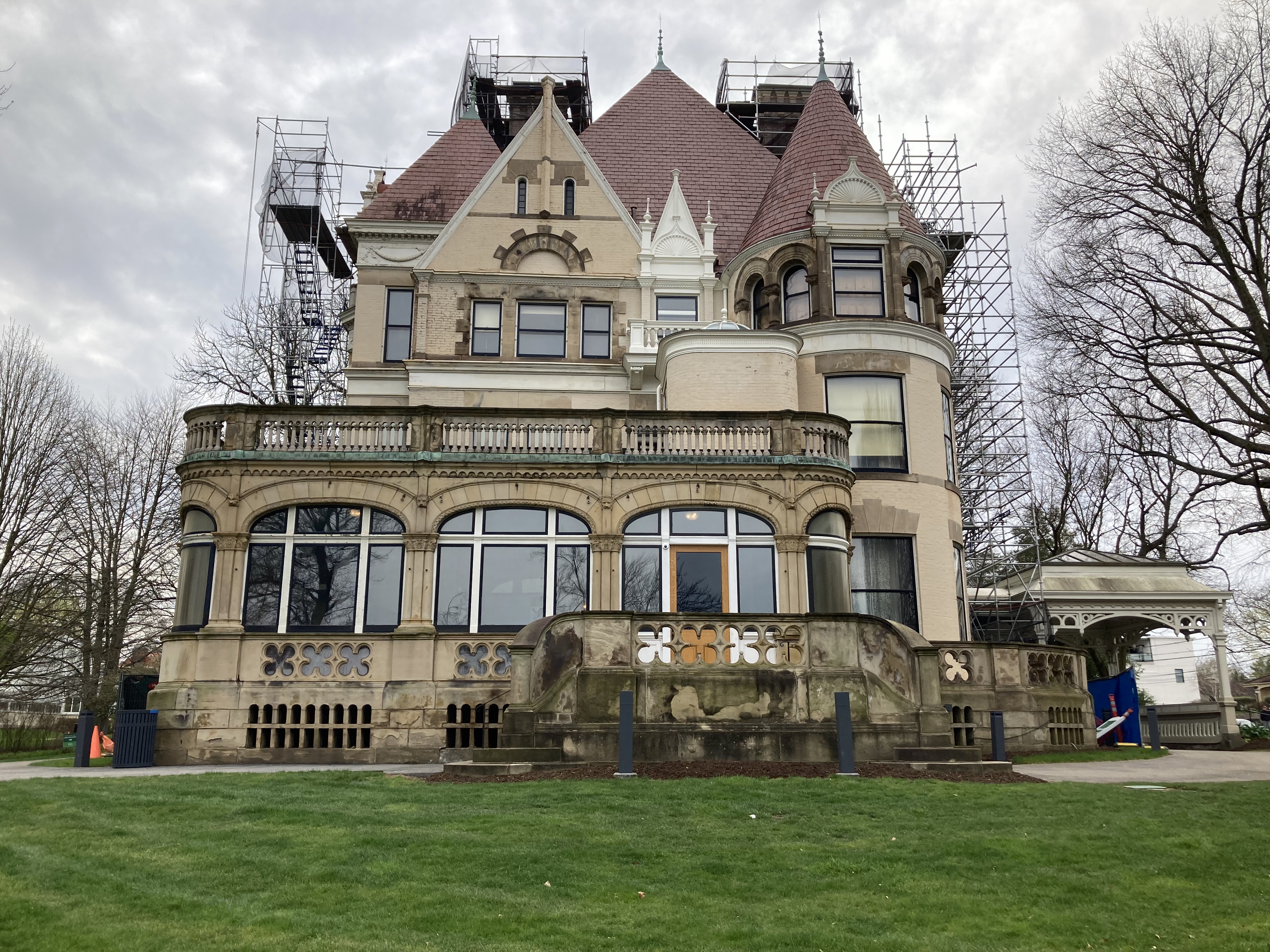
Clio Consulting prepared the successful National Register nomination of the complete campus of The Frick Pittsburgh, including building and landscape resources. A previous nomination for Clayton, the Chateauesque Pittsburgh home of Henry Clay Frick and his family, had been drafted in 1973, but the listing was never completed. Clio Consulting’s work expanded on this narrower understanding of the site’s history to document a historic district consisting of the entire estate and related property, including the art museum founded by daughter Helen Clay Frick in the late 1960s, with Helen Clay Frick’s profound influence on the site as the focus of the nomination. In addition to her art collecting and scholarship, Helen Clay Frick displayed an early engagement with the idea of historic preservation, and her dedication of her family estate as a historic house museum has resulted in an extraordinary cultural campus.
CHATHAM UNIVERSITY HISTORIC DISTRICT
Chatham University, Pittsburgh, PA
2024-2025
Clio Consulting worked on all aspects of the rehabilitation of the 1899 Duquesne Brewing Company Brew House and Stock House buildings (known locally as "The Brew House”), from National Register nomination to federal and state Historic Tax Credits. While substantially intact, The Brew House was inappropriately altered, underutilized, and in dire need of rehabilitation. This project creates a mix of affordable and market-rate housing units and enhances the ability of the non-profit Brew House Association to provide a supportive environment for emerging artists to live and work and to fully develop the building into a productive community-based asset.
DUQUESNE BREWERY/BREW HOUSE LOFTS
TREK Development Group
2014-2016
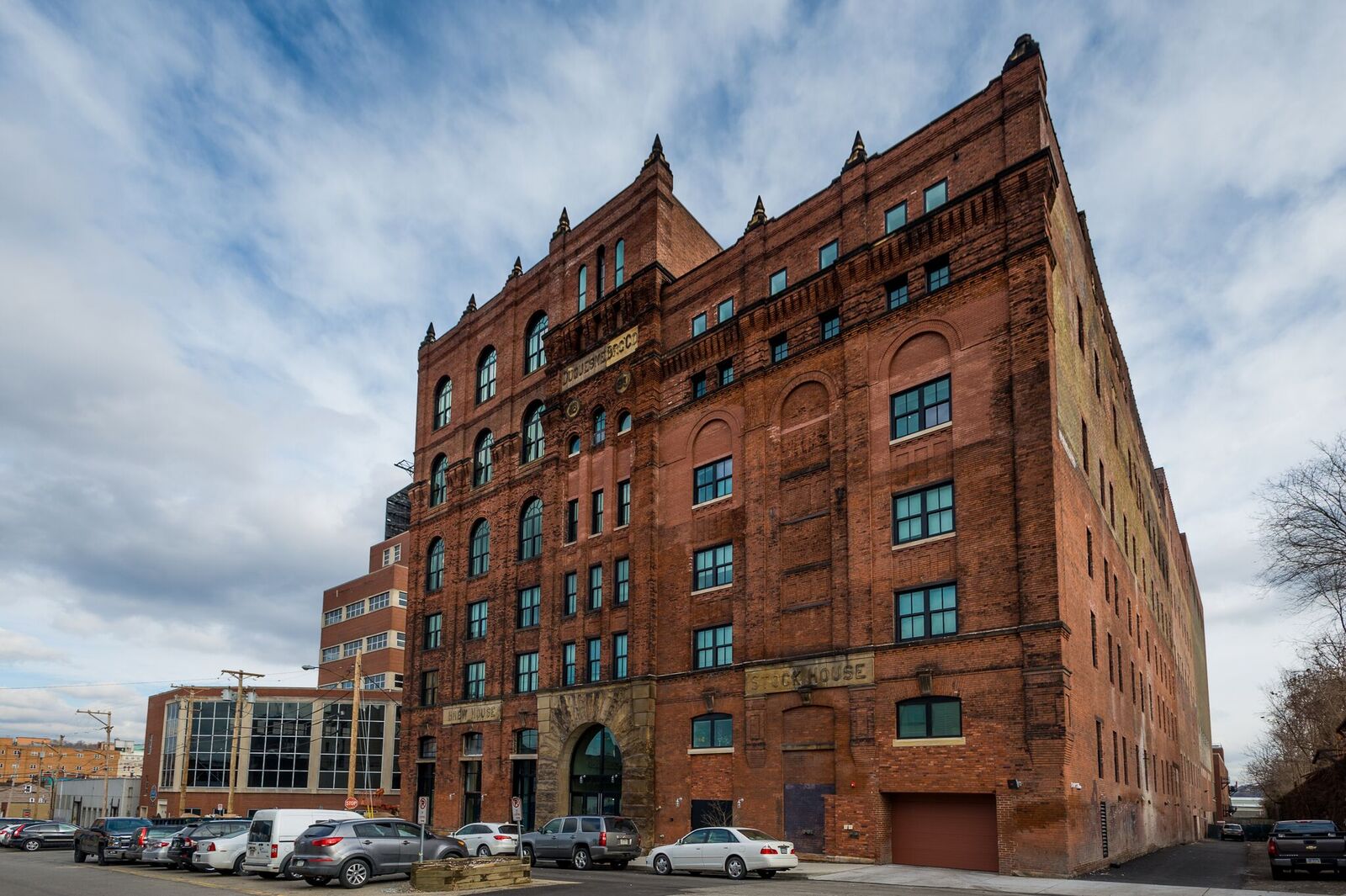
Clio Consulting worked on all aspects of the rehabilitation of the 1899 Duquesne Brewing Company Brew House and Stock House buildings (known locally as "The Brew House”), from National Register nomination to federal and state Historic Tax Credits. While substantially intact, The Brew House was inappropriately altered, underutilized, and in dire need of rehabilitation. This project creates a mix of affordable and market-rate housing units and enhances the ability of the non-profit Brew House Association to provide a supportive environment for emerging artists to live and work and to fully develop the building into a productive community-based asset.
EAST LIBERTY COMMERCIAL HISTORIC DISTRICT
East Liberty Development, Inc., Pittsburgh, PA
2010
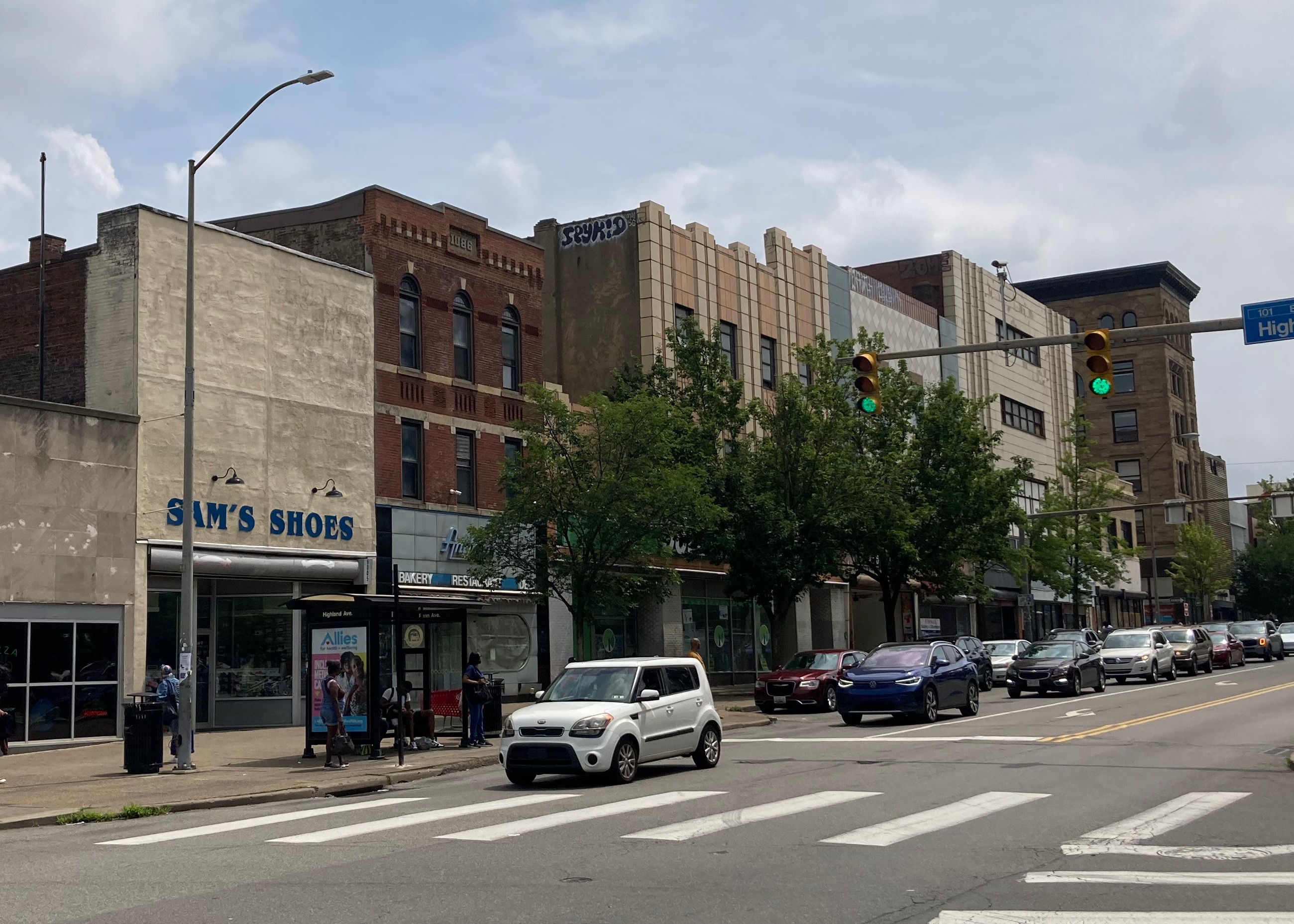
In 2010, Clio Consulting obtained National Register listing for the East Liberty Commercial Historic District. Once a commercial hub second in size and economic might only to downtown Pittsburgh itself, East Liberty suffered extensive demolition and reconfiguration during urban renewal in the 1960s. Fortunately, the goal of this project to compress the commercial district resulted in a core of traditional commercial buildings remaining in the blocks around Penn and Highland avenues, including the 13-story Highland Building and the cathedral-scale East Liberty Presbyterian Church. Significant in the areas of Commerce and Architecture, the East Liberty Commercial Historic District today continues to manifest the size and diversity of the district at its peak.
LAWRENCEVILLE HISTORIC DISTRICT
City of Pittsburgh and Commonwealth of PA
2017-2018
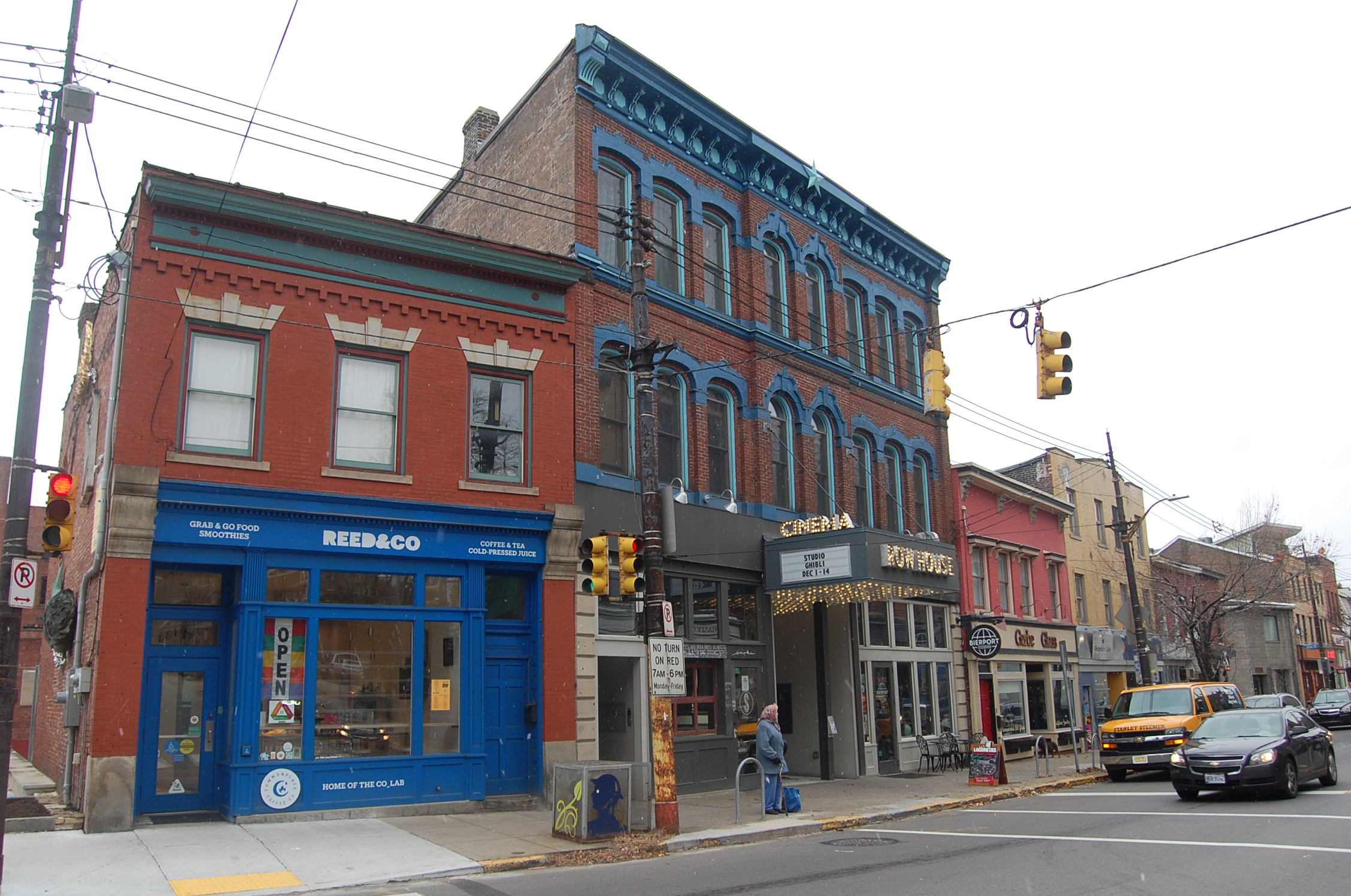
Clio Consulting worked with Michael Baker International to nominate the entire neighborhood of Lawrenceville as a National Register Historic District. The district covers three city wards and some 5000 individual resources including the Butler Street business district and adjacent residential sectors from the Allegheny River to Penn Avenue. The district also has an exceptionally long period of significance, from 1814, when the Allegheny Arsenal was founded, to 1950, when its industry began to decline after World War II. Principal Angelique Bamberg helped inventory the resources in the district, researched its history, wrote the narrative Statement of Significance, and co-wrote the Physical Description of the district. The project was funded by a grant from the Pennsylvania Historical and Museum Commission to the City of Pittsburgh.
MOONCREST HISTORIC DISTRICT
Township of Moon, PA
2012
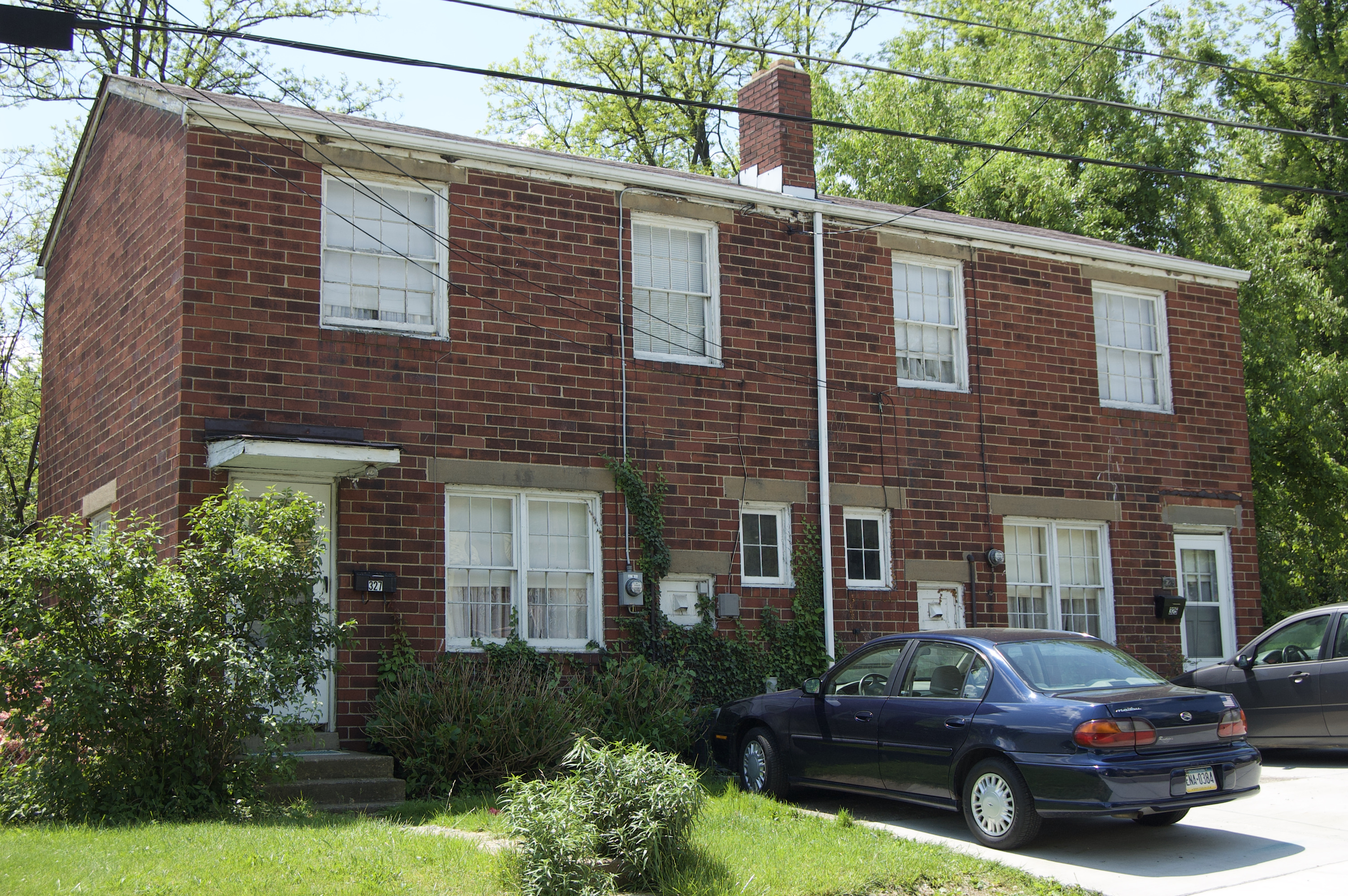
Clio Consulting successfully nominated Mooncrest, a World War II defense housing community, to the National Register of Historic Places and prepared an educational slide show and publication about its history and significance for the Township of Moon. During World War II, Mooncrest housed workers essential to the Allies’ victory; afterward, it offered its residents the opportunity for homeownership and wealth-building through transition to affordable housing on the private market. Racially integrated since 1942, Mooncrest is a pioneer of diversity in suburban housing.
MT. ALVERNIA HISTORIC DISTRICT
Q Development
2022-present
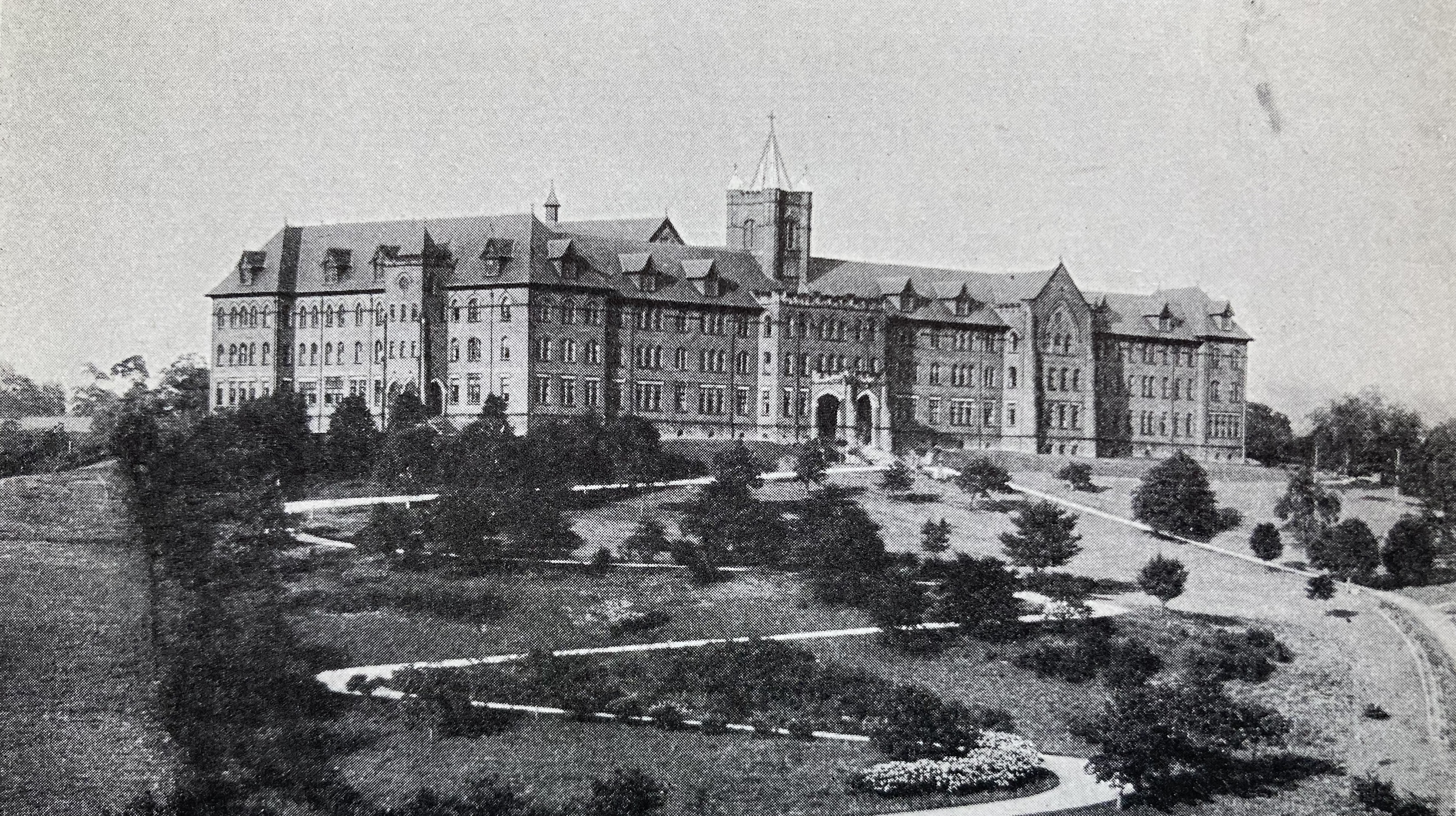
Clio Consulting prepared the nomination to list the Mt. Alvernia Historic District in the National Register and is working to assist its current owner to utilize the Historic Tax Credit for the conversion of two buildings—the colossal Motherhouse (convent), completed in 1900 to the design of architect Sidney Heckert, and a dormitory, St. Clare Hall—for residential use. In 2018, the Sisters of St. Francis moved out from their splendid 25-acre hilltop campus, Mt. Alvernia, where they had practiced two energetic vocations, teaching and nursing, for over 100 years. The Sisters provided a Catholic eduction at a girls’ high school on the campus and founded and expanded St. Francis Hospital. They also trained thousands of teachers and nurses and operated other schools and hospitals in western Pennsylvania and as far away as Georgia and Puerto Rico.
WASHINGTON COMMERCIAL HISTORIC DISTRICT
National Road Heritage Corridor
2019
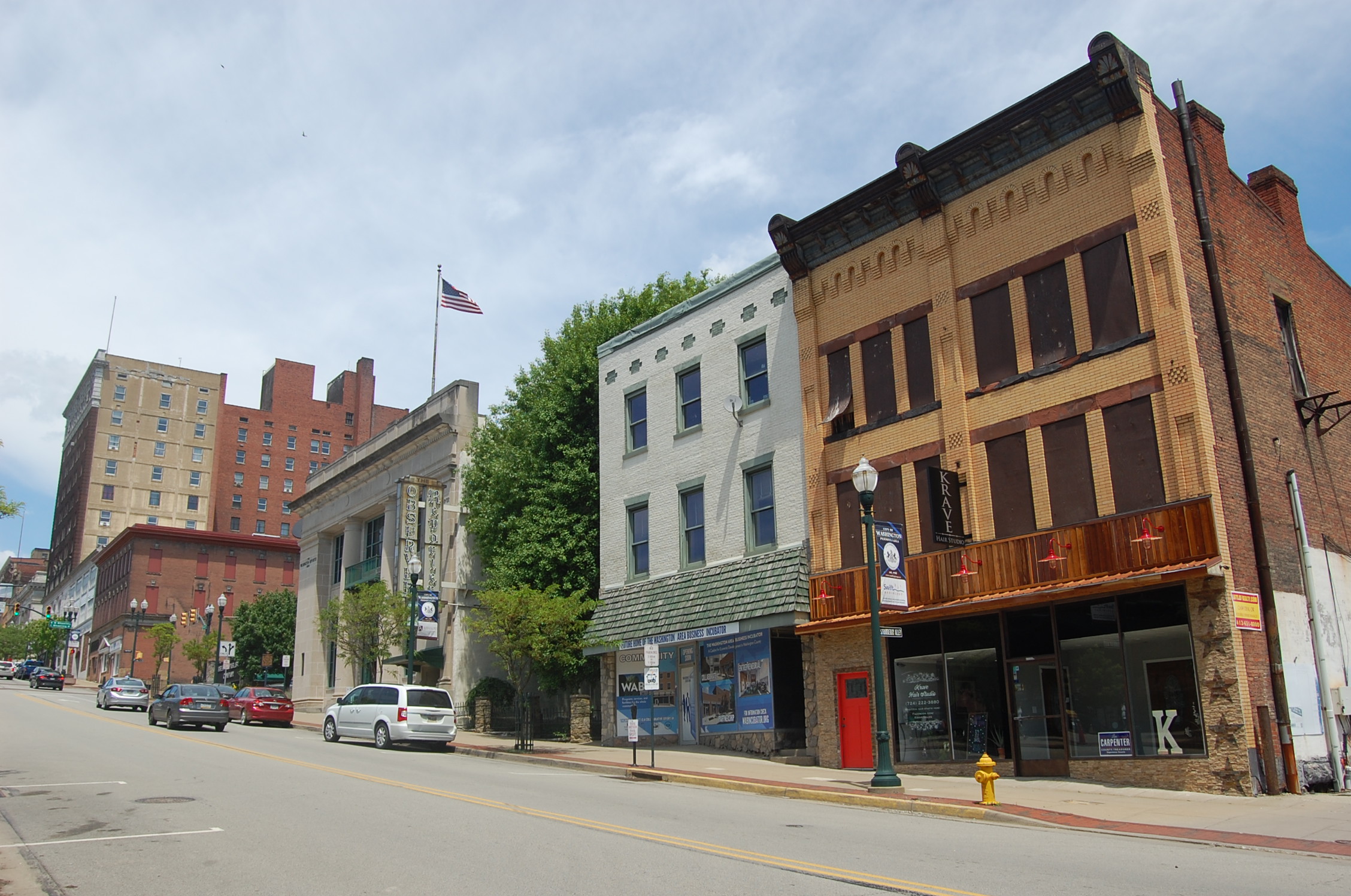
Clio Consulting surveyed downtown Washington, PA, to define a boundary and prepare a National Register nomination for the Washington Commercial Historic District. The completion of the National Road through Washington in 1818 initially stimulated commerce in the borough. Washington’s concentration of wealth, political power, and educational and transit functions produced a commercial downtown unrivaled in scale and urbanity anywhere else in Washington County. The Washington Commercial Historic District encompasses a dense, architecturally distinguished downtown with fine examples of commercial and civic architecture from the late 18th to the early 20th centuries.
WESTERN STATE PENITENTIARY
Commonwealth of PA
2018
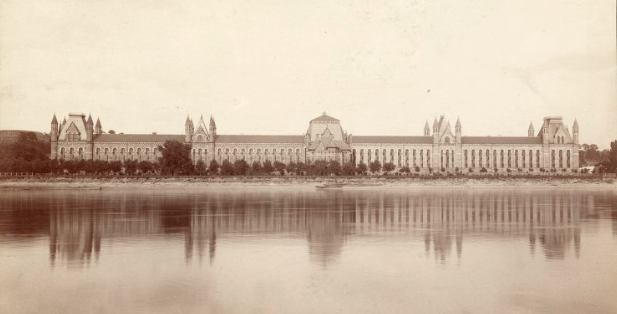
Clio Consulting conducted research and co-prepared a National Register of Historic Places nomination for Western State Penitentiary, a former state prison originally constructed between 1878 and 1893 on the east banks of the Ohio River in Pittsburgh. Western State emerged as a leader in prison reform during the late Victorian era. However, various legal and land-related limitations curtailed the lofty ambitions of its early administrators. The prison closed permanently in 2017. Prior to disposing of the property, the Commonwealth of Pennsylvania commissioned a study of its history and significance, leading to its nomination under National Register Criteria A and C.

ALLEGHENY COMMONS PARK
Northside Leadership Conference & Pittsburgh Parks Conservancy
2013-2018
In 2013, Clio Consulting prepared the nomination to list Allegheny Commons Park in the National Register of Historic Places, the first listing of a city park in 30 years. It required a thorough study and documentation of Allegheny Commons’ rich, layered landscape and how it has evolved over 150 years to meet the changing needs of the city. In 2018, Clio Consulting returned to Allegheny Commons to help shape the Action Plan for implementation of the 2002 Allegheny Commons Park Master Plan, working with LaQuatra Bonci, the Pittsburgh Parks Conservancy, and other consultants and stakeholders to update the plan and draw priorities for implementation. She articulated the role of history in the park’s past and future development and helped facilitate the public process.
FRICK PARK
Preservation Pittsburgh
2018
Clio Consulting’s nomination to list Frick Park in the National Register of Historic Places went beyond our basic understanding of it as a philanthropic bequest to the City of Pittsburgh to detail how it grew and developed according to a unique vision of an oasis for immersion in, and study of, nature in the city. The last of the major parks to join the Pittsburgh system by 30 years, Frick Park was planned, designed, and developed according to different goals and influences than Pittsburgh’s earlier Victorian and Progressive-era parks. By 1942, additional land purchases by the City had increased the park’s original area threefold, and its stewards were challenged to unify many disparate tracts into a coherent public landscape.

HIGHLAND PARK
Preservation Pittsburgh
2019
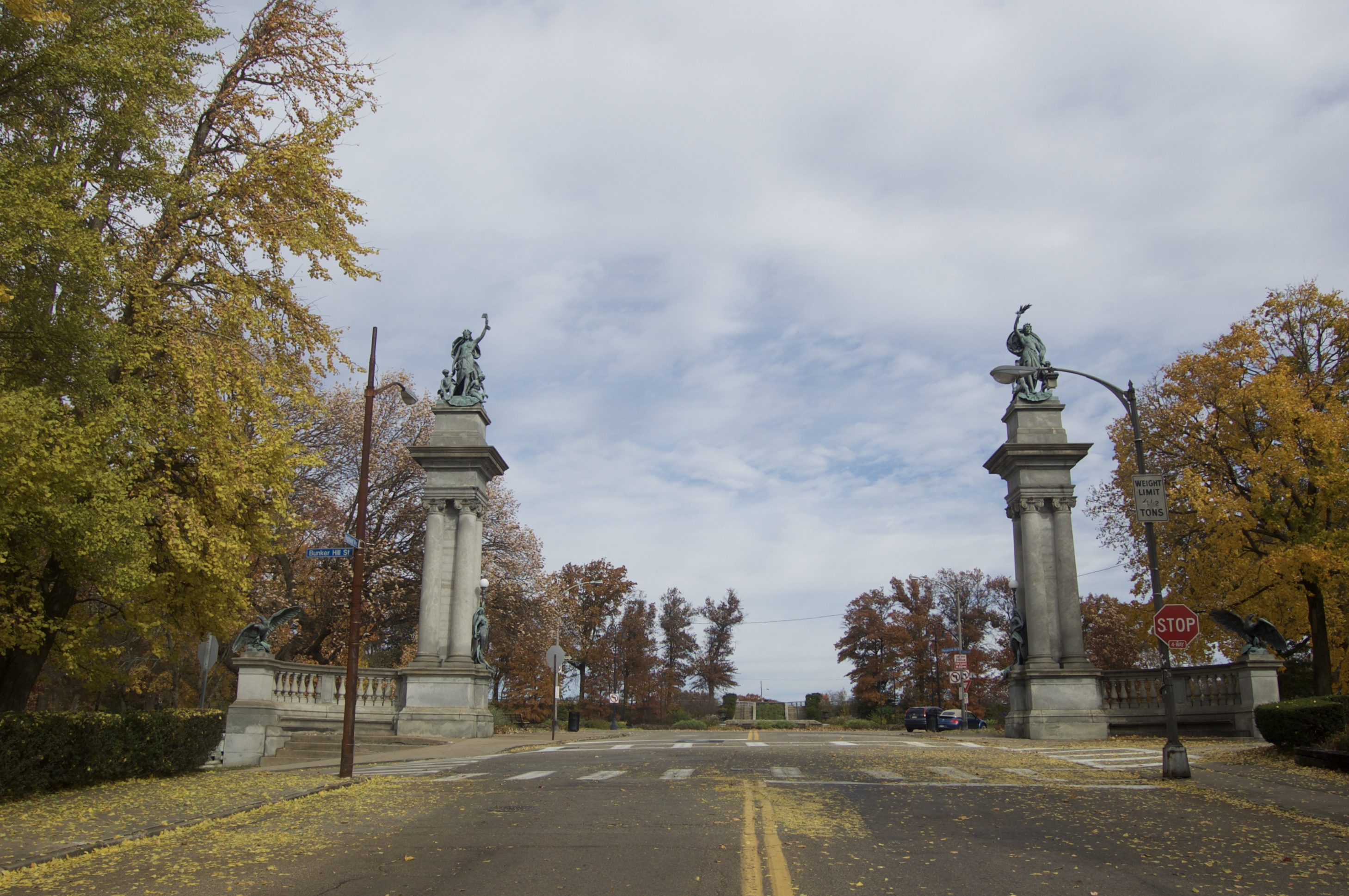
Clio Consulting’s nomination of Highland Park to the National Register was, like Frick, Mellon, and Riverview Parks, part of Preservation Pittsburgh’s Parks Initiative. Highland Park was dedicated in 1889 as the flagship of Pittsburgh Public Works Director Edward Manning Bigelow’s ambitious program to develop a network of parks connected by scenic boulevards in the East End of the city. The development of Highland Park created an oasis of open space and fresh air in the industrial city, achieving one of the great progressive planning goals at the turn of the 20th century. Bigelow was inspired by the City Beautiful movement, which held that an orderly and beautiful environment would exert a morally beneficial influence on the conduct and spirits of citizens.
RIVERVIEW PARK
Preservation Pittsburgh
2020
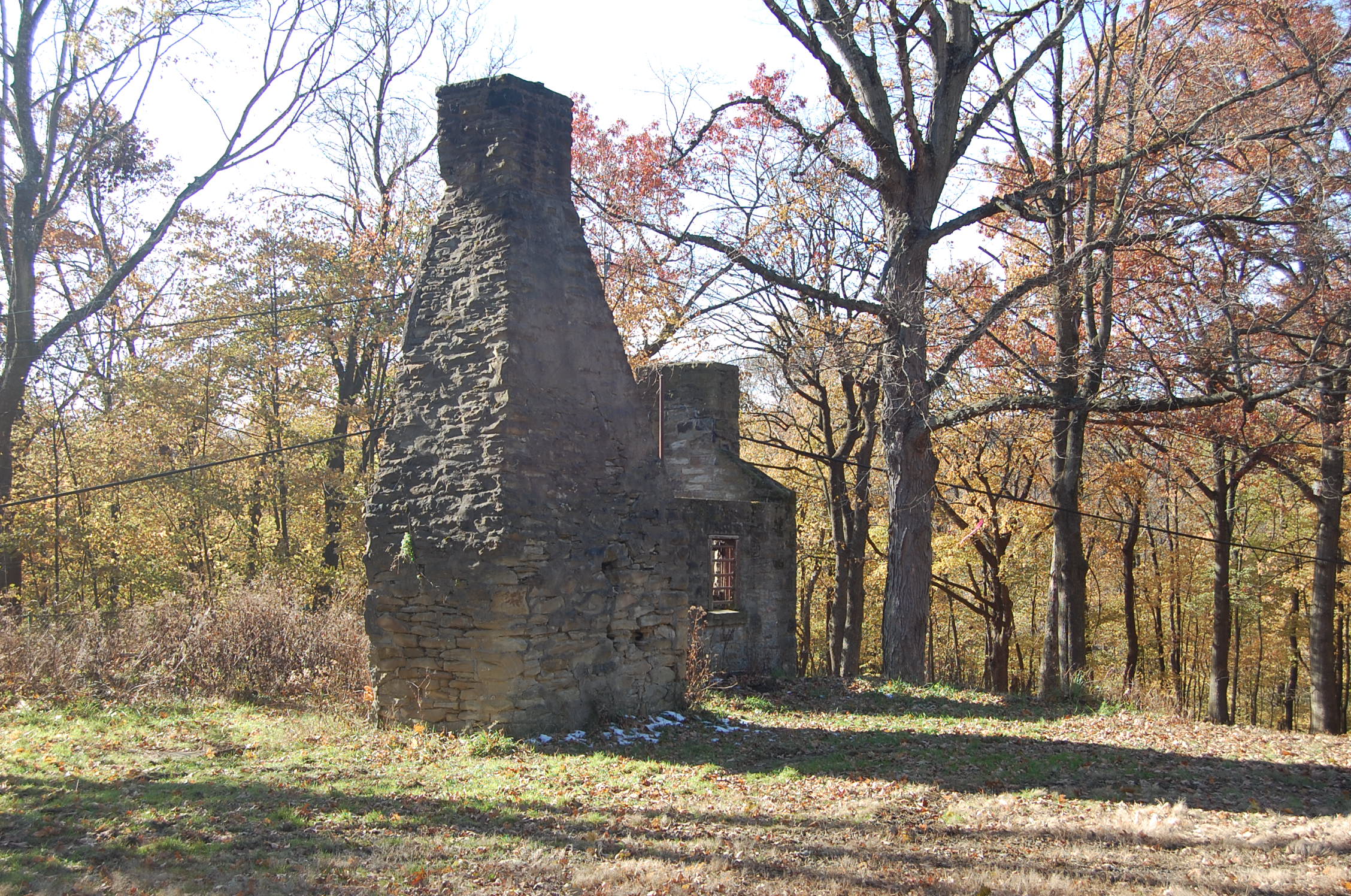
Clio Consulting’s work to list Riverview Park in the National Register of Historic Places revealed a history following the evolution of park planning itself. At first a public work by city engineers, Riverview Park’s development proceeded apace with the professions of landscape architecture and park planning, and grew to exhibit characteristics of a professionally-planned, mature city park system. Riverview Park’s WPA-funded buildings, structures, landscapes, and ensembles mark it as part of a system of parks linked by a common design vocabulary, one which was emerging locally in Pittsburgh as well as nationally across parks being planned and designed at the municipal, state, and federal levels.
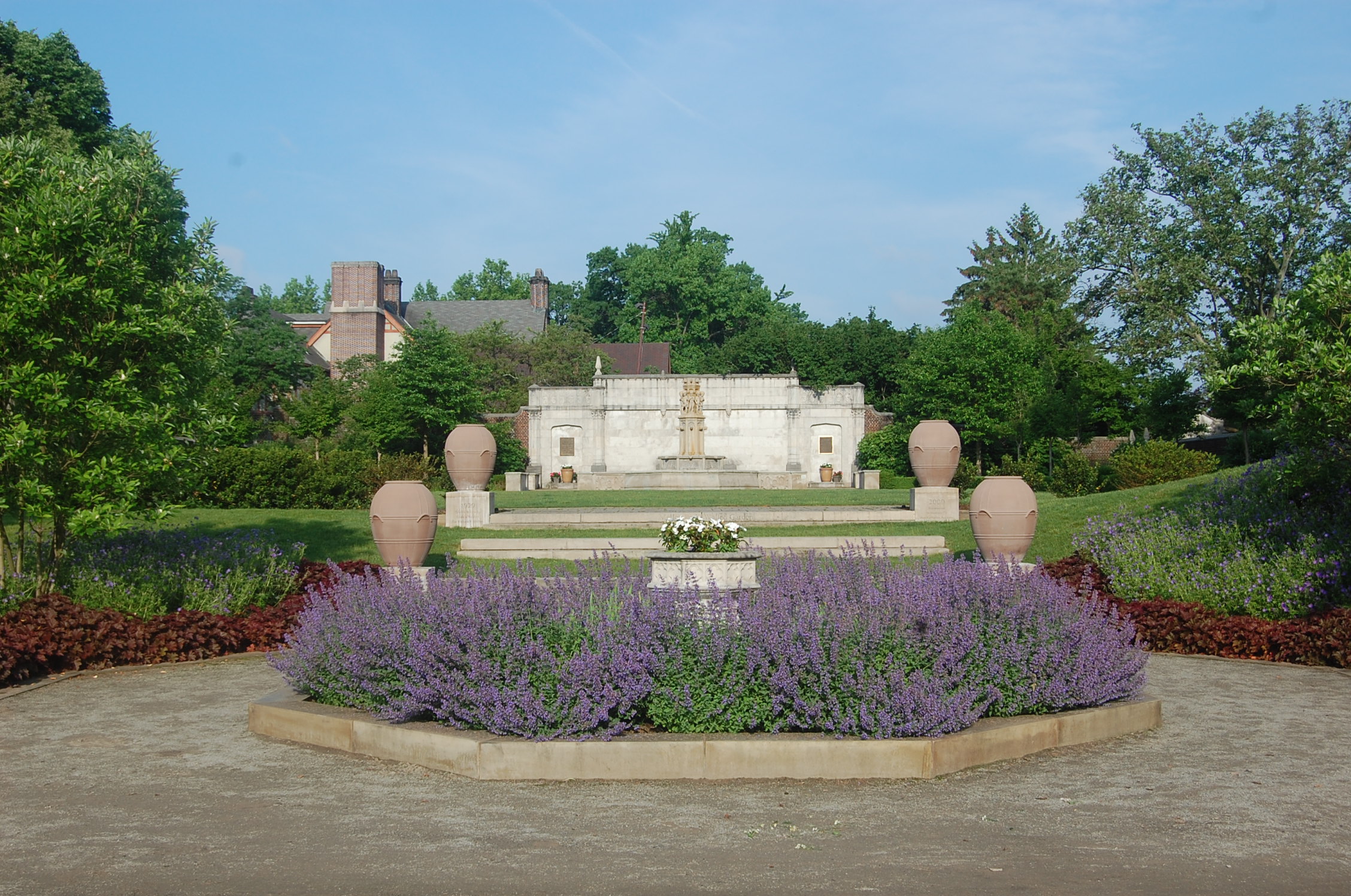
MELLON PARK
Preservation Pittsburgh
2021-2022
Clio Consulting researched and documented Mellon Park’s history and significance, resulting in its listing in the National Register as well as designation as a City of Pittsburgh Historic Site. Landscapes and gardens designed for the Mellons in the 1910s, ‘20s, and ‘30s by Alden & Harlow, Vitale and Geiffert, and Olmsted Brothers are examples of the best private landscape design money could buy in those years. Mellon Park’s combination of estate landscape design and municipal public park design conveys a uniquely Pittsburgh story in which influential private citizens augmented the services of city government to ensure a civic legacy attached to their name and family history. There is evidence that Richard King Mellon, in particular, saw Mellon Park as part of Pittsburgh’s post-World War II Renaissance.
SOUTH SIDE PARK
Ethos Collaborative
2022
Clio Consulting conducted a National Register eligibility evaluation for South Side Park, located in a steep section of Pittsburgh characterized by dense worker housing. South Side Park grew piecemeal from the establishment of a small playground in 1934. Declining industrial uses and urban renewal legislation after World War II enabled the City to acquire more property to expand the park. Despite concluding that South Side Park never received the level of planning or design that characterize the City’s other, National Register-listed parks, Clio Consulting’s study provided a historical foundation and reference for future planners to engage with the park’s history in designing its future.